OpenAI retira modelos GPT antiguos (febrero 2026)
OpenAI
¿No sabes por dónde empezar con la IA?Evalúa preparación, riesgos y prioridades en menos de una hora.
➔ Descarga nuestro paquete gratuito de preparación para IA
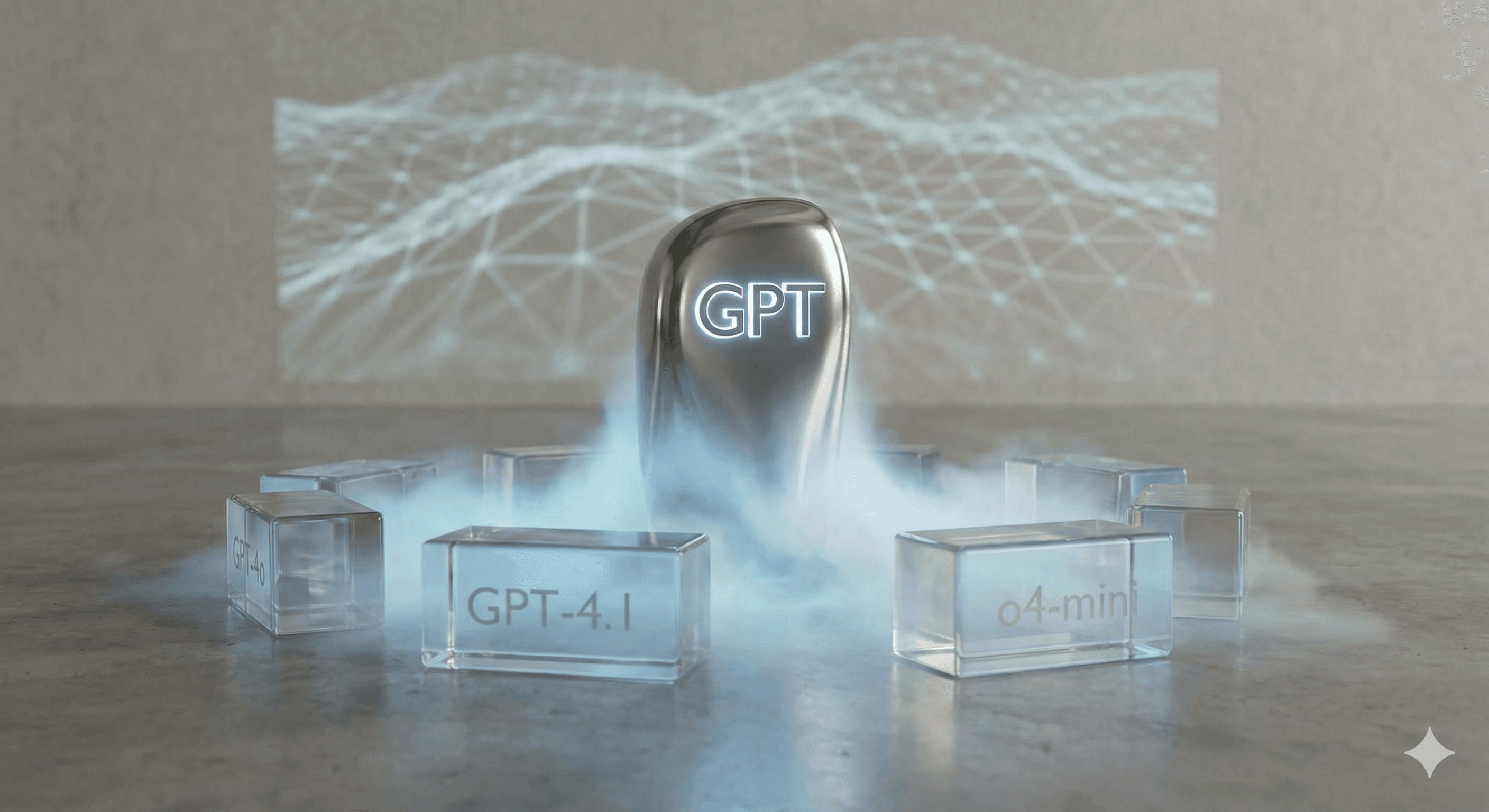
OpenAI retirará GPT‑4o, GPT‑4.1, GPT‑4.1 mini y OpenAI o4‑mini en ChatGPT el 13 de febrero de 2026, junto con el retiro previamente anunciado de GPT‑5 (Instant y Thinking). El objetivo es una experiencia más rápida y confiable al enfocar los recursos en los modelos actuales. No hay cambios en la API en este momento.
¿Qué está cambiando y por qué?
¿Qué modelos están siendo retirados? GPT‑4o, GPT‑4.1, GPT‑4.1 mini y OpenAI o4‑mini dejarán de estar en ChatGPT el 13 de febrero de 2026. La retirada de GPT‑5 (Instant y Thinking) fue anunciada anteriormente.
¿Por qué retirar modelos? La consolidación mejora la confiabilidad, el rendimiento y el soporte, permitiendo la inversión en los modelos y características más recientes.
Estado de la API: La retirada aplica a ChatGPT; sin cambios en la API por ahora. Si dependes de capturas de modelos heredados en la API, monitorea la página de retiradas y los avisos de Azure.
Guía Práctica (Usuarios y Administradores)
Individuos (ChatGPT):
No necesitas tomar ninguna acción. Tus conversaciones continuarán funcionando; se utilizarán modelos predeterminados más nuevos.
Si te gustaba el tono de un modelo heredado, actualiza las Instrucciones Personalizadas para guiar el estilo y el comportamiento.
Administradores de espacio de trabajo:
Comunica el cambio y sugiere plantillas/instrucciones actualizadas.
Revisa cualquier manual del equipo que haga referencia a nombres de modelos heredados específicos.
Para equipos regulados, actualiza las capturas de pantalla/documentos de procesos que muestren el cambiador de modelo.
Desarrolladores:
Para aplicaciones de API, revisa la página de Retiradas periódicamente. Si usas Azure OpenAI, toma nota de las líneas de tiempo de retiro y planes de actualización automática por separado.
Transiciones de Ejemplo
De GPT‑4o → GPT‑5.2: Vuelve a probar las instrucciones guardadas; agrega instrucciones de tono (por ejemplo, conciso, cálido, inglés británico).
De GPT‑4.1 mini → modelo ligero actual: Valida la latencia/calidad; ajusta temperatura y máximo de tokens si es necesario.
De o4‑mini → reemplazo “o‑class” actual: Confirma comportamientos de uso de herramientas y formatos de salida.
Riesgos y Buenas Prácticas
Desvío de expectativas: Los modelos heredados pueden haber tenido un “sentimiento” distinto. Captura el estilo mediante instrucciones/ejemplos.
Evaluación: Vuelve a realizar pruebas de aceptación rápidas en instrucciones clave (precisión, formato, latencia).
Control de cambios: Documenta la configuración del modelo; ancla versiones donde sea posible; guarda notas de reversión para instrucciones.
Preguntas Frecuentes
¿Qué modelos están siendo retirados?
GPT‑4o, GPT‑4.1, GPT‑4.1 mini y OpenAI o4‑mini dejarán ChatGPT el 13 de febrero de 2026. La retirada de GPT‑5 (Instant/Thinking) fue anunciada previamente.
¿Por qué OpenAI retira estos modelos?
Para simplificar la experiencia, mejorar el rendimiento y la confiabilidad, y enfocar los recursos en modelos más nuevos.
¿Habrá cambios en la API?
No hay cambios en este momento para la API; continúa supervisando los avisos oficiales de retirada para capturas y líneas de tiempo de Azure.
¿Cómo afectará esto a los usuarios?
La mayoría de los usuarios no necesitarán actuar. La selección de modelos predeterminados se trasladará a las versiones actuales, con mejoras en rendimiento y estabilidad.
¿Cómo puedo preservar el tono de un modelo heredado?
Utiliza Instrucciones Personalizadas y un bloque de estilo corto (ejemplos de tono, redacción, y reglas de hacer/no hacer) para aproximar el comportamiento anterior.
Recibe noticias y consejos sobre IA cada semana en tu bandeja de entrada
Al suscribirte, das tu consentimiento para que Generation Digital almacene y procese tus datos de acuerdo con nuestra política de privacidad. Puedes leer la política completa en gend.co/privacy.



Generación
Digital

Oficina en Reino Unido
Generation Digital Ltd
33 Queen St,
Londres
EC4R 1AP
Reino Unido
Oficina en Canadá
Generation Digital Americas Inc
181 Bay St., Suite 1800
Toronto, ON, M5J 2T9
Canadá
Oficina en EE. UU.
Generation Digital Américas Inc
77 Sands St,
Brooklyn, NY 11201,
Estados Unidos
Oficina de la UE
Software Generación Digital
Edificio Elgee
Dundalk
A91 X2R3
Irlanda
Oficina en Medio Oriente
6994 Alsharq 3890,
An Narjis,
Riad 13343,
Arabia Saudita







Número de la empresa: 256 9431 77 | Derechos de autor 2026 | Términos y Condiciones | Política de Privacidad