Cuándo usar sistemas multiagente (con ejemplos reales)
Inteligencia Artificial
¿No sabes por dónde empezar con la IA?Evalúa preparación, riesgos y prioridades en menos de una hora.
➔ Descarga nuestro paquete gratuito de preparación para IA
Sistemas multi-agente sobresalen cuando los problemas son distribuidos, dinámicos y sensibles a la escala—por ejemplo, control de señales de tráfico, flotas de robots en almacenes y automatizaciones empresariales entre funciones. Al coordinar agentes especializados (frecuentemente con MARL o marcos de conversación) se adaptan localmente pero optimizan globalmente, superando a configuraciones de un solo agente en latencia, robustez y rendimiento—cuando se combinan con una fuerte observabilidad y seguridad.
Por qué esto importa ahora
Las herramientas agentivas pasaron de los laboratorios a la producción: las ciudades prueban control de tráfico multi-agente, los almacenes operan con flotas de robots coordinadas y las empresas conectan agentes de inteligencia artificial en diversas funciones. Saber cuándo los sistemas MAS superan a un solo agente evita complejidades costosas y desbloquea la escala.
Escenarios más adecuados para MAS (con puntos de prueba)
1) Control descentralizado con observaciones locales
Cuando cada nodo ve solo una parte del mundo y las decisiones deben ser rápidas (ms–s), MAS encaja. Ejemplos clásicos: señales de tráfico adaptativas que coordinan el tiempo de las fases a lo largo de una red usando RL multi-agente. Los beneficios reportados incluyen flujos más fluidos y resiliencia ante incidentes.
2) Grandes flotas con coordinación espacial
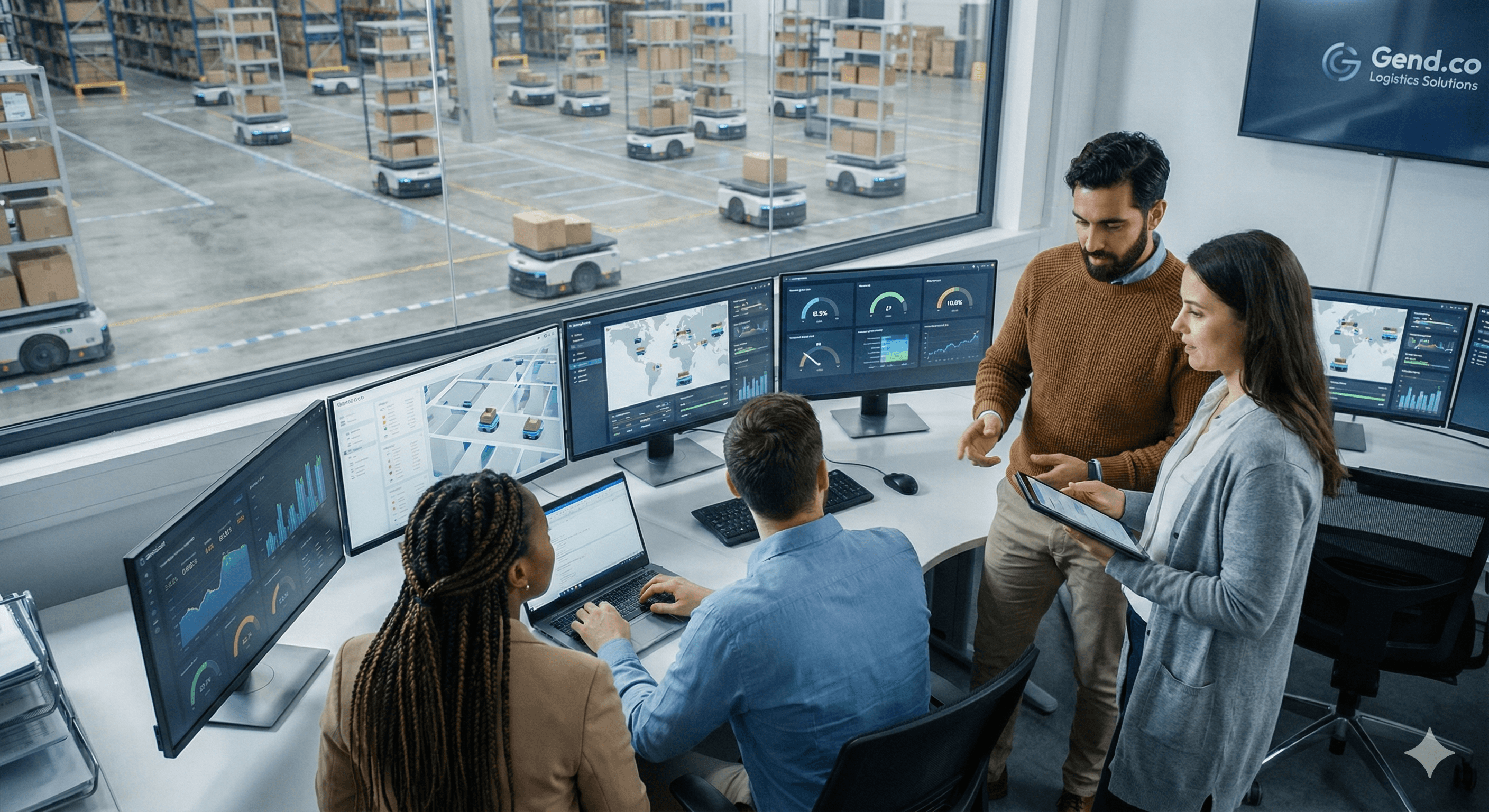
Robots móviles y de almacenes necesitan rutas sin colisiones, asignación de tareas y replanteamiento bajo incertidumbre, lo que naturalmente es multi-agente. Las actualizaciones de investigación e industria describen modelos base y equipos enfocados en el control agentivo para grandes flotas de robots.
3) Automatizaciones empresariales transfuncionales
Donde los flujos de trabajo abarcan muchas herramientas (contenido, pruebas, análisis), las plataformas de agente de agentes enrutan tareas entre agentes especializados para reducir transferencias y latencias. Los lanzamientos recientes muestran “conmutadores” multi-agente que conectan modelos y sistemas a través de nubes.
4) Resolución de problemas abiertos con especialización de roles
Si la tarea se beneficia de roles de planificador–ejecutor–crítico (investigación, codificación, operaciones), los marcos MAS como AutoGen permiten que los agentes conversen, deleguen herramientas y verifiquen resultados—mejorando la fiabilidad frente a las sugerencias de una vez.
5) Entornos no estacionarios y en evolución
Los entornos que cambian (picos de demanda, incidentes) recompensan políticas adaptativas y locales que aprenden y se coordinan, en lugar de controladores centralizados que se convierten en cuellos de botella. Las encuestas de transporte destacan las ventajas de MAS en tales situaciones.
Cuándo no usar MAS
Tareas simples o estrechamente definidas con un solo ciclo de decisión: los agentes únicos o controladores clásicos son más económicos y fáciles de razonar.
Alta calidad de observabilidad centralizada y baja latencia a un cerebro único: no hay necesidad de pagar el coste de coordinación.
Contextos de cumplimiento estricto donde la procedencia es inmadura: comience centralizado, luego federado una vez existan registros de auditoría y sistemas de protección. (Los estudios de adopción empresarial muestran que los pilotos de agentes a menudo se detienen sin observabilidad.)
Cómo funciona (MAS moderno en términos simples)
Agentes autónomos perciben, deciden y actúan; comunican mediante mensajes o memoria compartida para evitar conflictos y mejorar el objetivo global.
Patrones de coordinación: subastas/red de contratos para la asignación de tareas, consenso para planes compartidos, RL multi-agente para políticas conjuntas y protocolos conversacionales para agentes LLM.
Ejemplos de pila: tráfico (MARL + computación de borde), robots (planificadores de flota + servicios de mapas), empresa (agentes LLM + adaptadores de herramientas + bus de mensajes).
Pasos prácticos (puede comenzar este trimestre)
1) Evaluación: ¿es necesario MAS?
Lista de verificación: ¿observabilidad parcial? ¿actuadores distribuidos? ¿humano en el bucle? ¿latencia estricta? Si ≥2 sí, considere MAS.
Compare un base de referencia de agente único para justificar la complejidad añadida (latencia p50/p95, éxito de la tarea, coste).
2) Diseñe agentes y roles
Comience con planificador / ejecutores / crítico (seguridad); mantenga los roles pocos y comprobables.
Prefiera ejecutores sin estado siempre que sea posible; persista el estado compartido en una tienda (DB vectorial, KV o tablero).
Use un marco (por ejemplo, AutoGen) para implementar patrones de conversación y uso de herramientas de manera eficiente.
3) Elija coordinación + comunicaciones
Asignación de tareas: subasta/mercado o heurísticas codiciosas para velocidad.
Aprendizaje: MARL para políticas adaptativas (tráfico, logística).
Comunicaciones: bus de mensajes o APIs; defina esquemas tempranamente (quién envía qué, cuándo).
4) Observabilidad y evaluación (no negociable)
Registre cada mensaje, decisión, llamada de herramientas y recompensa; habilite la repetición.
Califique las métricas por agente y globales: rendimiento, colisiones/conflictos, tasa de cumplimiento SLA, equidad.
En la empresa, agregue IDs de ejecución y paneles de control para pasos de aprobación humana (amigable para el control de cambios). (Los informes empresariales enfatizan la observabilidad para pilotos de agentes.)
5) Seguridad, cumplimiento y sistemas de protección
Restricciones rígidas: límites de velocidad, chequeos de ejecución posibles, disyuntores.
Capa de políticas: quién puede hablar con quién; redacte PII; registros de procedencia.
Interruptor de emergencia + cuarentena para agentes defectuosos; simule escenarios de peor caso antes de salir al aire.
6) Escalar y fortalecer
Comience en un entorno (por ejemplo, un sitio/región), luego expanda.
Para flotas, pruebe búsqueda de rutas multi-agente y control de congestión bajo carga usando benchmarks MAPF reconocidos.
Ejemplos prácticos
Control de tráfico adaptativo: Agentes en cada cruce aprenden el tiempo de las fases, comparten estado con los vecinos y optimizan el flujo de corredores. Comience con una base de tiempo fijo → despliegue MARL con restricciones de seguridad → mida reducciones de demora/longitud de cola.
Flotas de almacenes: Asignadores de tareas (recoger, mover, recargar) se coordinan con agentes de enrutamiento; un supervisor global resuelve atascos; añada modelos básicos de previsión para planificación de picos.
“Conmutador de agentes” empresarial: El orquestador enruta el trabajo a través de agentes de contenido/pruebas/analítica; las aprobaciones y la procedencia lo hacen listo para auditorías.
Preguntas frecuentes
P1: ¿Cuándo deben evitarse los sistemas multi-agente?
Cuando la tarea es simple, completamente observable, o la latencia a un controlador central es trivial, el costo de coordinación no se justificará. Los estudios de adopción también muestran un ROI limitado sin una fuerte observabilidad.
P2: ¿Cómo mejoran los MAS la escalabilidad?
Desplazan el cálculo al borde (agentes) y se coordinan mediante mensajes o políticas compartidas (p. ej., MARL), evitando cuellos de botella únicos. Por eso se usan en redes de tráfico y grandes flotas de robots.
P3: ¿Qué industrias se benefician más?
Transporte/ciudades (señales), logística/almacenaje (flotas de robots) y automatización empresarial (conmutadores multi-agente) muestran una fuerte tracción hoy en día.
Próximos pasos
¿Quiere un memorando de decisión sobre si MAS vale la pena para su caso de uso y un plan de implementación de 90 días si sí? Contacte a Generation Digital.
Recibe noticias y consejos sobre IA cada semana en tu bandeja de entrada
Al suscribirte, das tu consentimiento para que Generation Digital almacene y procese tus datos de acuerdo con nuestra política de privacidad. Puedes leer la política completa en gend.co/privacy.



Generación
Digital

Oficina en Reino Unido
Generation Digital Ltd
33 Queen St,
Londres
EC4R 1AP
Reino Unido
Oficina en Canadá
Generation Digital Americas Inc
181 Bay St., Suite 1800
Toronto, ON, M5J 2T9
Canadá
Oficina en EE. UU.
Generation Digital Américas Inc
77 Sands St,
Brooklyn, NY 11201,
Estados Unidos
Oficina de la UE
Software Generación Digital
Edificio Elgee
Dundalk
A91 X2R3
Irlanda
Oficina en Medio Oriente
6994 Alsharq 3890,
An Narjis,
Riad 13343,
Arabia Saudita







Número de la empresa: 256 9431 77 | Derechos de autor 2026 | Términos y Condiciones | Política de Privacidad