Quand utiliser les systèmes multi-agents (avec des exemples concrets)
IA
Pas sûr de quoi faire ensuite avec l'IA?Évaluez la préparation, les risques et les priorités en moins d'une heure.
➔ Téléchargez notre kit de préparation à l'IA gratuit
Les systèmes multi-agents excellent lorsque les problèmes sont distribués, dynamiques et sensibles à l'échelle—par exemple le contrôle des signaux de trafic, les flottes de robots d'entrepôt et les automatisations d'entreprise interfonctionnelles. En coordonnant des agents spécialisés (souvent avec des cadres MARL ou de conversation), ils s'adaptent localement tout en optimisant globalement, surpassant ainsi les configurations à agent unique en termes de latence, de robustesse et de capacité—lorsqu'ils sont associés à une forte observabilité et sécurité.
Pourquoi cela est important maintenant
Les outils agentiques sont passés des laboratoires à la production : les villes expérimentent le contrôle du trafic multi-agents, les entrepôts utilisent des flottes de robots coordonnés, et les entreprises relient des agents IA à travers les fonctions. Savoir quand les MAS surpassent un agent unique évite la complexité coûteuse et débloque l'échelle.
Les scénarios les mieux adaptés pour les MAS (avec des preuves)
1) Contrôle décentralisé avec observations locales
Lorsque chaque nœud ne voit qu'une partie du monde et que les décisions doivent être rapides (ms–s), les MAS sont adaptés. Exemples classiques : les signaux de trafic adaptatifs coordonnant le timing des phases à travers un réseau utilisant la RL multi-agent. Les avantages rapportés incluent des flux plus fluides et une résilience aux incidents.
2) Grandes flottes avec coordination spatiale
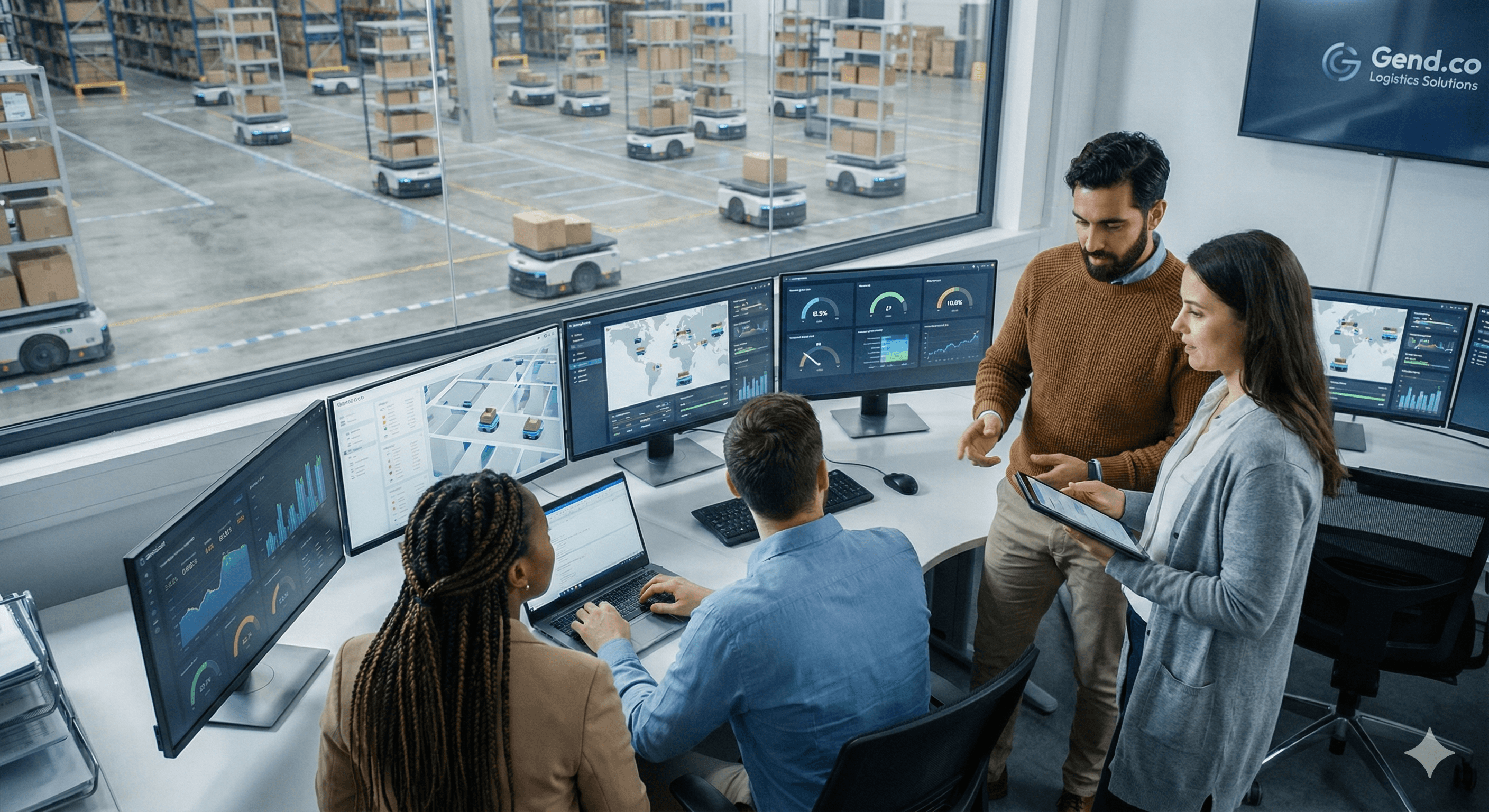
Les robots d'entrepôt et mobiles nécessitent un routage sans collision, une allocation de tâches et une re-planification sous incertitude—naturellement multi-agent. Les mises à jour de la recherche et de l'industrie décrivent des modèles fondamentaux et des équipes se concentrant sur le contrôle agentique pour de grandes flottes de robots.
3) Automatisations interfonctionnelles d'entreprise
Là où les flux de travail couvrent de nombreux outils (contenu, test, analytique), les plateformes d'agent d'agents acheminent les tâches parmi des agents spécialisés pour réduire les transferts et la latence. Les lancements récents montrent des « standards » multi-agents liant des modèles et systèmes à travers le cloud.
4) Résolution de problèmes ouvert avec spécialisation de rôles
Si la tâche bénéficie des rôles de planificateur–exécuteur–critique (recherche, codage, opérations), les cadres MAS comme AutoGen permettent aux agents de converser, déléguer des outils et vérifier les résultats—améliorant la fiabilité contre les résultats uniques.
5) Environnements non-stationnaires et évolutifs
Les environnements qui changent (pics de demande, incidents) récompensent les politiques adaptatives et locales qui apprennent et se coordonnent, plutôt que les contrôleurs centralisés qui deviennent des goulots d'étranglement. Les enquêtes de transport mettent en avant les avantages MAS dans de tels contextes.
Quand ne pas utiliser les MAS
Des tâches simples ou étroitement définies avec une seule boucle de décision—les agents uniques ou les contrôleurs classiques sont moins chers et plus faciles à comprendre.
Observabilité centralisée et de haute qualité et faible latence vers un seul cerveau—inutile de payer le coût de coordination.
Contextes de conformité difficile où la provenance est immature—commencez centralisé, puis fédérez une fois que des pistes d'audit et des garde-fous existent. (Les études d'adoption en entreprise montrent que les pilotes d'agents échouent souvent sans observabilité.)
Comment ça marche (MAS modernes en termes simples)
Les agents autonomes perçoivent, décident et agissent chacun; ils communiquent via des messages ou une mémoire partagée pour éviter les conflits et améliorer l'objectif global.
Patrons de coordination : enchères/réseau de contrats pour l'allocation des tâches, consensus pour les plans partagés, RL multi-agent pour les politiques conjointes, et protocoles conversationnels pour les agents LLM.
Exemples de piles : trafic (MARL + calcul en périphérie), robots (planificateurs de flotte + services de carte), entreprise (agents LLM + adaptateurs d'outil + bus de message).
Étapes pratiques (vous pouvez commencer ce trimestre)
1) Triage : les MAS sont-ils justifiés ?
Liste de contrôle : observabilité partielle ? actionneurs distribués ? intervention humaine ? latence stricte ? Si ≥2 réponses oui, envisagez les MAS.
Évaluer une base de référence à agent unique pour justifier la complexité ajoutée (latence p50/p95, succès des tâches, coût).
2) Concevoir les agents et rôles
Commencez avec planificateur / exécuteurs / critique (sécurité); gardez peu de rôles et testables.
Préférez les exécuteurs sans état lorsque c'est possible; persistez l'état partagé dans un stockage (base vectorielle, KV, ou tableau noir).
Utilisez un cadre (tel que AutoGen) pour mettre en œuvre des schémas de conversation et d'utilisation d'outil efficacement.
3) Choisir coordination + communications
Allocation des tâches : enchères/marchés ou heuristiques avides pour la vitesse.
Apprentissage : MARL pour les politiques adaptatives (trafic, logistique).
Communications : bus de message ou API ; définissez les schémas tôt (qui envoie quoi, quand).
4) Observabilité & évaluation (non-négociable)
Enregistrez chaque message, décision, appel d'outil et récompense; permettez le relecture.
Examinez les métriques par agent et globales : capacité, collisions/conflits, taux de réussite SLA, équité.
En entreprise, ajoutez des IDs de course et des tableaux de bord pour les étapes d'approbation humaine (faciles à contrôler les modifications). (Les rapports d'entreprise soulignent l'observabilité pour les pilotes d'agents.)
5) Sécurité, conformité et garde-fous
Contraintes strictes : limites de taux, vérifications d'exécution, coupe-circuit.
Couche de politique : qui peut parler à qui ; masquer les PII ; enregistrements de provenance.
Interrupteur d'urgence + quarantaine pour les agents errants; simulez les pires scénarios avant le lancement.
6) Échelle et durcissement
Démarrez dans un environnement (par exemple, un site/région), puis passez à l'échelle.
Pour les flottes, testez la recherche de chemin multi-agent et le contrôle de congestion sous charge en utilisant des benchmarks MAPF reconnus.
Exemples travaillés
Contrôle adaptatif du trafic : Les agents à chaque jonction apprennent le timing des phases, partagent leur état avec les voisins, et optimisent le flux de corridor. Commencez avec une base de temps fixe → déployez MARL avec des contraintes de sécurité → mesurez les réductions de délai/longueur de file d'attente.
Flottes d'entrepôt : Les allocateurs de tâches (prendre, déplacer, recharger) coordonnent avec les agents de routage; le superviseur global résout les blocages; ajoutez des prévisionnistes de modèle fondation pour la planification des surges.
“Commutateur d'agent” d'entreprise : L'orchestrateur achemine le travail à travers les agents de contenu/test/analyse; les approbations et la provenance le rendent prêt pour l'audit.
FAQs
Q1 : Quand les systèmes multi-agents doivent-ils être évités ?
Lorsque la tâche est simple, entièrement observable, ou la latence vers un contrôleur central est triviale—le coût de coordination ne sera pas rentable. Les études d'adoption montrent également un retour sur investissement limité sans forte observabilité.
Q2 : Comment les MAS améliorent-ils l'évolutivité ?
Ils poussent le calcul vers le bord (agents) et se coordonnent via des messages ou des politiques partagées (par exemple, MARL), évitant ainsi les goulots d'étranglement uniques. C'est pourquoi ils sont utilisés dans les réseaux de trafic et les grandes flottes de robots.
Q3 : Quels secteurs en bénéficient le plus ?
Transport/villes (signaux), logistique/entreposage (flottes de robots), et automatisation d'entreprise (commutateurs multi-agent) montrent une forte traction aujourd'hui.
Prochaines étapes
Souhaitez-vous un mémo décisionnel sur la pertinence des MAS pour votre cas d'utilisation—et un plan de déploiement sur 90 jours si oui ? Contactez Generation Digital.
Recevez chaque semaine des nouvelles et des conseils sur l'IA directement dans votre boîte de réception
En vous abonnant, vous consentez à ce que Génération Numérique stocke et traite vos informations conformément à notre politique de confidentialité. Vous pouvez lire la politique complète sur gend.co/privacy.



Génération
Numérique

Bureau du Royaume-Uni
Génération Numérique Ltée
33 rue Queen,
Londres
EC4R 1AP
Royaume-Uni
Bureau au Canada
Génération Numérique Amériques Inc
181 rue Bay, Suite 1800
Toronto, ON, M5J 2T9
Canada
Bureau aux États-Unis
Generation Digital Americas Inc
77 Sands St,
Brooklyn, NY 11201,
États-Unis
Bureau de l'UE
Génération de logiciels numériques
Bâtiment Elgee
Dundalk
A91 X2R3
Irlande
Bureau du Moyen-Orient
6994 Alsharq 3890,
An Narjis,
Riyad 13343,
Arabie Saoudite







Numéro d'entreprise : 256 9431 77 | Droits d'auteur 2026 | Conditions générales | Politique de confidentialité