El acuerdo de $750 millones de Perplexity con Microsoft Azure: ¿qué significa?
Perplejidad
¿No sabes por dónde empezar con la IA?Evalúa preparación, riesgos y prioridades en menos de una hora.
➔ Descarga nuestro paquete gratuito de preparación para IA
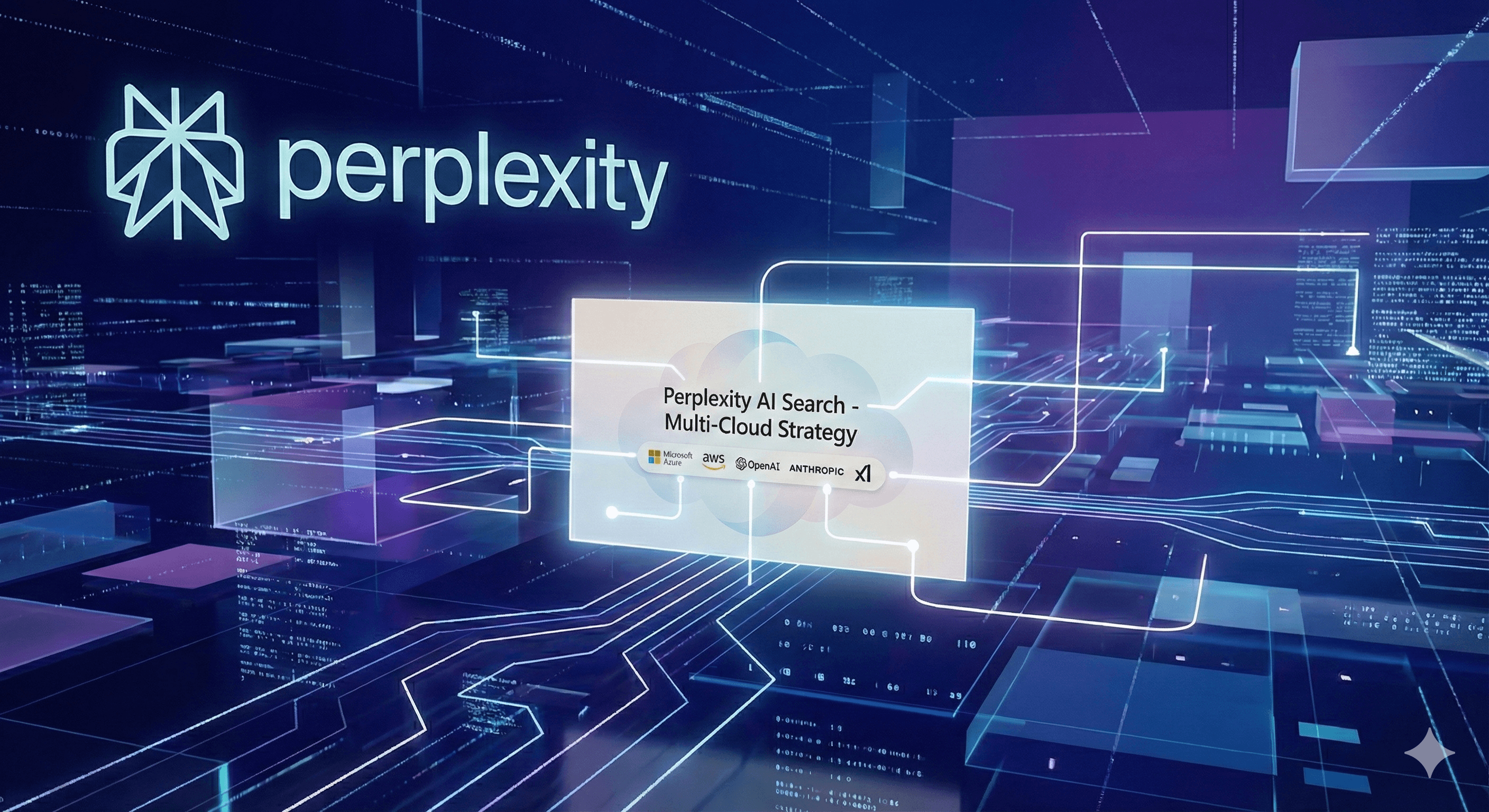
Perplexity ha acordado, según se informa, un contrato de nube de $750 millones por tres años con Microsoft para ejecutar cargas de trabajo de IA en Azure a través de la plataforma Foundry de Microsoft. La alianza permite que Perplexity acceda a modelos de OpenAI, Anthropic y xAI mientras continúa usando AWS, señalando una estrategia de múltiples nubes para sus productos de búsqueda de IA.
Qué sucedió (y por qué es importante):
Según informes de Reuters citando a Bloomberg News, Perplexity ha firmado un acuerdo de tres años y $750 millones con Microsoft para ejecutar cargas de trabajo de IA en Azure. El acuerdo utiliza el programa Foundry de Microsoft, dando a Perplexity acceso a modelos de vanguardia de laboratorios como OpenAI, Anthropic y xAI.
Lo esencial de un vistazo
Tamaño y duración del acuerdo: ~$750 millones en tres años.
Plataforma: Microsoft Azure a través de Foundry para la obtención y despliegue de modelos.
Elección de modelos: Acceso a múltiples modelos de terceros (OpenAI, Anthropic, xAI).
Postura en la nube: Perplexity dice que AWS sigue siendo un proveedor principal/preferido, señalando un enfoque de múltiples nubes.
Por qué importa Microsoft Foundry
Foundry es el programa de Microsoft para ayudar a las empresas a entrenar, desplegar y escalar sistemas de IA en Azure utilizando una variedad de modelos asociados. Para una empresa de búsqueda de IA de rápido crecimiento, reduce el tiempo de lanzamiento al mercado de nuevas funciones, mejora la fiabilidad y ofrece opciones de capacidad vinculadas a la infraestructura de los centros de datos de Microsoft. Además, posiciona a Azure como un hogar atractivo para estrategias multimodelo.
La jugada de múltiples nubes de Perplexity
Declarar que AWS sigue en la mezcla ayuda a Perplexity a equilibrar costos, rendimiento y disponibilidad regional mientras evita el bloqueo con un solo proveedor. La estrategia de múltiples nubes también distribuye el riesgo entre proveedores y permite a Perplexity seleccionar modelos y aceleradores de clase mundial (incluidos los impulsados por Nvidia). Para los compradores empresariales, esto se traduce en resiliencia + elección en lugar de una dependencia de un solo proveedor.
Lo que podría significar para los usuarios de búsqueda de IA
Lanzamientos de funciones más rápidos: El acceso a Foundry a múltiples familias de modelos debería acelerar la experimentación (por ejemplo, tareas intensivas en recuperación, resumen, código o multimodal).
Optimización de rendimiento y costos: Ejecutar el “modelo correcto para la tarea” puede mejorar la latencia y la economía para consultas de búsqueda de alto volumen.
Fiabilidad: La capacidad de Azure + una base de AWS tiene como objetivo mejorar la disponibilidad durante la demanda máxima.
El contexto competitivo: Azure vs AWS
El acuerdo destaca un año competitivo para las cargas de trabajo de IA en la nube. A medida que Azure capta más clientes nativos de IA, presiona a AWS para demostrar un alcance comparable de acceso a modelos y herramientas de MLOps. Para Microsoft, asociarse con una marca destacada de búsqueda de IA refuerza su ecosistema más allá de su inversión en OpenAI.
Qué observar a continuación
Actualizaciones de productos de Perplexity: Busque nuevas funciones que dependan de la orquestación multimodelo y de una mayor capacidad de inferencia.
Cambios en precios o niveles: Las funciones intensivas en computación pueden aparecer primero en niveles premium.
Anuncios adicionales de la nube: Espere más narrativas de “múltiples nubes” a medida que las aplicaciones de IA se expandan globalmente.
Conclusión para los líderes digitales
Si está evaluando la búsqueda de IA para el trabajo de conocimiento, la diversidad de proveedores y la flexibilidad de modelos se están convirtiendo en factores básicos. Este acuerdo sugiere que los vendedores de búsqueda de IA promocionarán cada vez más múltiples nubes y multimodelos como capacidades de grado empresarial. Nuestra recomendación: pruebe con criterios de evaluación claros (latencia, calidad fundamentada, costo por consulta) y estructure contratos que mantengan abiertas sus opciones.
Nota del editor (2 de febrero de 2026): Este artículo resume informes disponibles en el momento de la redacción. Actualizaremos si alguna de las empresas publica declaraciones formales con términos adicionales.
Preguntas frecuentes
P1: ¿Qué es exactamente Microsoft Foundry y por qué lo está usando Perplexity?
R: Foundry es el programa de Microsoft para desplegar y escalar modelos de IA en Azure. Perplexity puede usarlo para ejecutar modelos de OpenAI, Anthropic y xAI, ayudándole a escalar funciones más rápido sin comprometerse con una sola familia de modelos.
P2: ¿Esto significa que Perplexity está dejando AWS?
R: No. Los informes indican que Perplexity sigue utilizando AWS y lo describe como un proveedor preferido o principal. El acuerdo con Microsoft agrega capacidad y acceso a modelos, en lugar de reemplazar a AWS.
P3: ¿Qué tan grande es el acuerdo y por cuánto tiempo?
R: Aproximadamente $750 millones durante tres años, según el reporte de Bloomberg citado por Reuters.
Recibe noticias y consejos sobre IA cada semana en tu bandeja de entrada
Al suscribirte, das tu consentimiento para que Generation Digital almacene y procese tus datos de acuerdo con nuestra política de privacidad. Puedes leer la política completa en gend.co/privacy.



Generación
Digital

Oficina en Reino Unido
Generation Digital Ltd
33 Queen St,
Londres
EC4R 1AP
Reino Unido
Oficina en Canadá
Generation Digital Americas Inc
181 Bay St., Suite 1800
Toronto, ON, M5J 2T9
Canadá
Oficina en EE. UU.
Generation Digital Américas Inc
77 Sands St,
Brooklyn, NY 11201,
Estados Unidos
Oficina de la UE
Software Generación Digital
Edificio Elgee
Dundalk
A91 X2R3
Irlanda
Oficina en Medio Oriente
6994 Alsharq 3890,
An Narjis,
Riad 13343,
Arabia Saudita







Número de la empresa: 256 9431 77 | Derechos de autor 2026 | Términos y Condiciones | Política de Privacidad