De IA opaca a IA confiable: Por qué importa el acuerdo Neptune de OpenAI
OpenAI
¿No sabes por dónde empezar con la IA?Evalúa preparación, riesgos y prioridades en menos de una hora.
➔ Descarga nuestro paquete gratuito de preparación para IA
El acuerdo definitivo de OpenAI para adquirir Neptune.ai trae el seguimiento de experimentos y la visibilidad del entrenamiento en casa. Para las empresas, eso significa modelos más confiables: detección de problemas más rápida, comparaciones más claras entre ejecuciones y un comportamiento más estable a gran escala. Este cambio señala un enfoque de la industria en la calidad de implementación—no solo en el tamaño del modelo.
El Costo de la IA de Caja Negra
Para los líderes empresariales ocupados, la constante charla sobre IA a menudo suena como más caos, no claridad. Inviertes en nuevas herramientas esperando eficiencia, solo para descubrir que los modelos son opacos, impredecibles y propensos a errores. La IA poco confiable crea más administración y estrés, frustrando a tus equipos y socavando tu ROI.
Este escepticismo está justificado. ¿Cómo puedes comprometerte con una tecnología si no puedes confiar en cómo aprende?
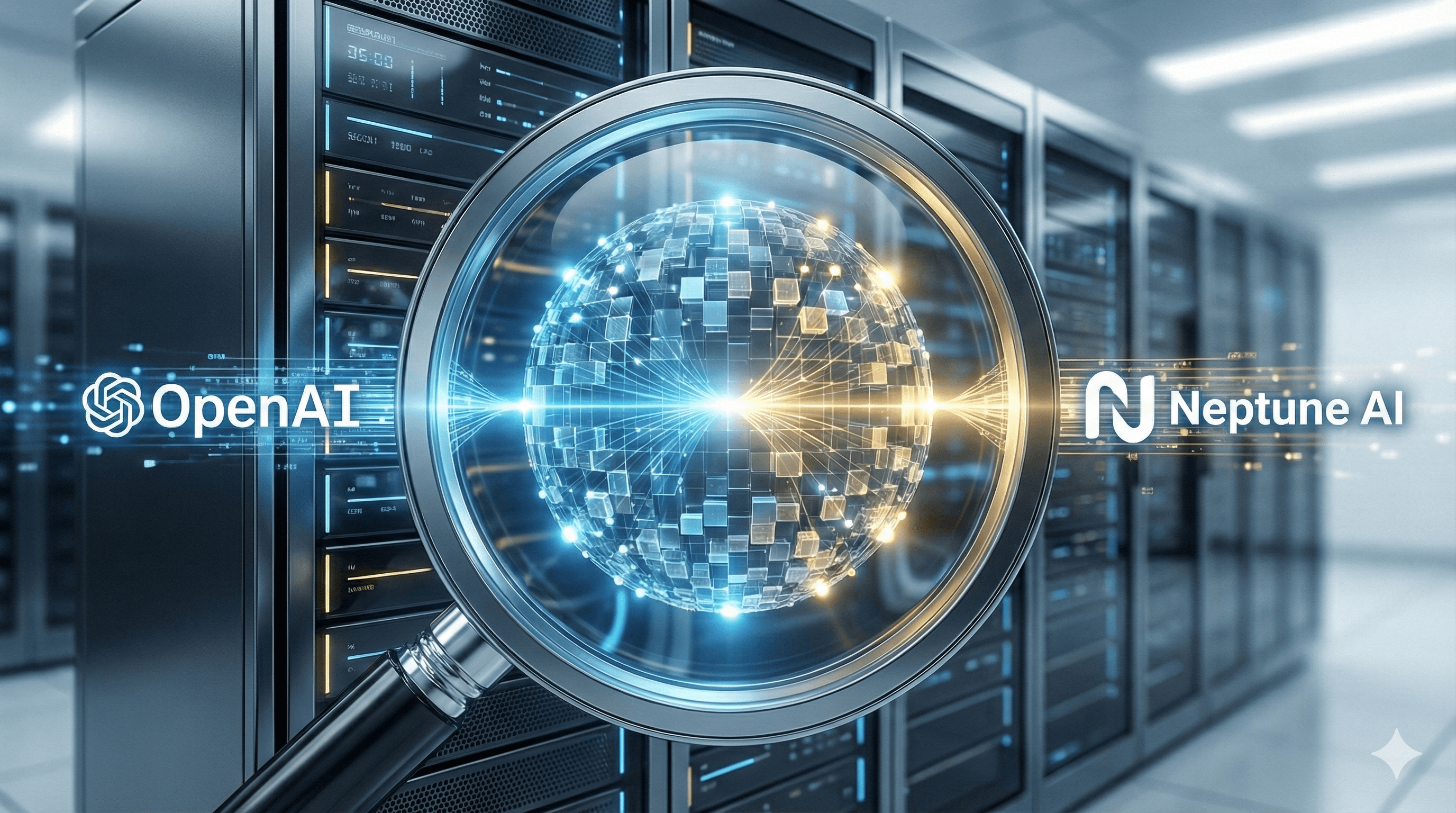
Adquiriendo el ‘Microscopio’
OpenAI recientemente anunció un acuerdo definitivo para adquirir Neptune.ai. Esto no es solo otro titular, sino un movimiento crítico en la búsqueda de la confiabilidad de la IA.
Neptune se especializa en herramientas que rastrean, monitorean y resuelven problemas en el proceso de entrenamiento intensivo de modelos complejos como GPT. El sistema de Neptune es rápido y preciso, permitiendo a los investigadores analizar flujos de trabajo de entrenamiento complejos.
Esta adquisición se trata de integración vertical, llevando infraestructura crucial a casa. Como declaró Jakub Pachocki, el Científico Jefe de OpenAI, el plan es integrar estas herramientas profundamente en su pila de entrenamiento para expandir la visibilidad sobre cómo aprenden los modelos.
En términos claros, OpenAI está adquiriendo el ‘microscopio’ necesario para observar el comportamiento de modelos complejos en tiempo real, haciendo el desarrollo más transparente y depurable.
IA Práctica que Funciona a Escala
¿Por qué debería importar este cambio de infraestructura a tu organización?
Reducción de riesgos: Aumentar la visibilidad en el entrenamiento significa una mejor detección de problemas como alucinaciones y atajos antes de que el modelo llegue a tus usuarios. Esto se traduce directamente en un producto de IA más estable y predecible para la implementación empresarial.
Mayor consistencia: Las herramientas de Neptune ayudan a los investigadores a rastrear experimentos y comparar miles de ejecuciones, lo que permite una mejor toma de decisiones durante todo el proceso de entrenamiento. El resultado es una base de IA más confiable para tus flujos de trabajo automatizados.
Claridad en medio del caos: Este movimiento señala que la industria de la IA está madurando. El enfoque está cambiando de “¿cuán grande podemos hacerlo?” a “¿cuán confiablemente podemos implementarlo?”. Herramientas confiables reducen la fatiga del cambio y minimizan la administración inesperada, ahorrando tiempo y estrés a tus equipos.
Integrando la Confiabilidad en tu Hoja de Ruta de IA
Tu organización no necesita construir su propio microscopio de IA, pero debes asociarte con expertos que comprendan la profunda importancia de la confiabilidad y la infraestructura.
Generación Digital te ayuda a traducir los avances complejos de la IA en soluciones prácticas y gobernadas. Nos especializamos en implementar IA y flujos de trabajo inteligentes que son estables, transparentes y construidos para la escala y complejidad de grandes equipos.
Habla con nuestro equipo hoy sobre auditar tus herramientas de IA actuales y asegurar que tu próximo proyecto esté fundado en verdadera confiabilidad.
Preguntas Frecuentes
¿Qué anunció exactamente OpenAI?
Un acuerdo definitivo para adquirir Neptune.ai, un proveedor de herramientas de seguimiento de experimentos y monitoreo de modelos.
¿Por qué es importante llevar el seguimiento de experimentos a casa?
Profundiza la visibilidad sobre cómo los modelos aprenden, permitiendo una depuración más rápida y desplegues más confiables.
¿Neptune seguirá estando disponible como producto independiente?
Neptune ha indicado que sus servicios hospedados se reducirán en un plazo fijo, con apoyo para la transición de clientes (confirma los detalles antes de planear migraciones).
¿Qué significa esto para los compradores empresariales?
Espera un comportamiento más estable de los modelos de frontera con el tiempo, además de evaluaciones más transparentes durante las pruebas de concepto y la diligencia del proveedor.
Recibe noticias y consejos sobre IA cada semana en tu bandeja de entrada
Al suscribirte, das tu consentimiento para que Generation Digital almacene y procese tus datos de acuerdo con nuestra política de privacidad. Puedes leer la política completa en gend.co/privacy.



Generación
Digital

Oficina en Reino Unido
Generation Digital Ltd
33 Queen St,
Londres
EC4R 1AP
Reino Unido
Oficina en Canadá
Generation Digital Americas Inc
181 Bay St., Suite 1800
Toronto, ON, M5J 2T9
Canadá
Oficina en EE. UU.
Generation Digital Américas Inc
77 Sands St,
Brooklyn, NY 11201,
Estados Unidos
Oficina de la UE
Software Generación Digital
Edificio Elgee
Dundalk
A91 X2R3
Irlanda
Oficina en Medio Oriente
6994 Alsharq 3890,
An Narjis,
Riad 13343,
Arabia Saudita






Número de la empresa: 256 9431 77 | Derechos de autor 2026 | Términos y Condiciones | Política de Privacidad